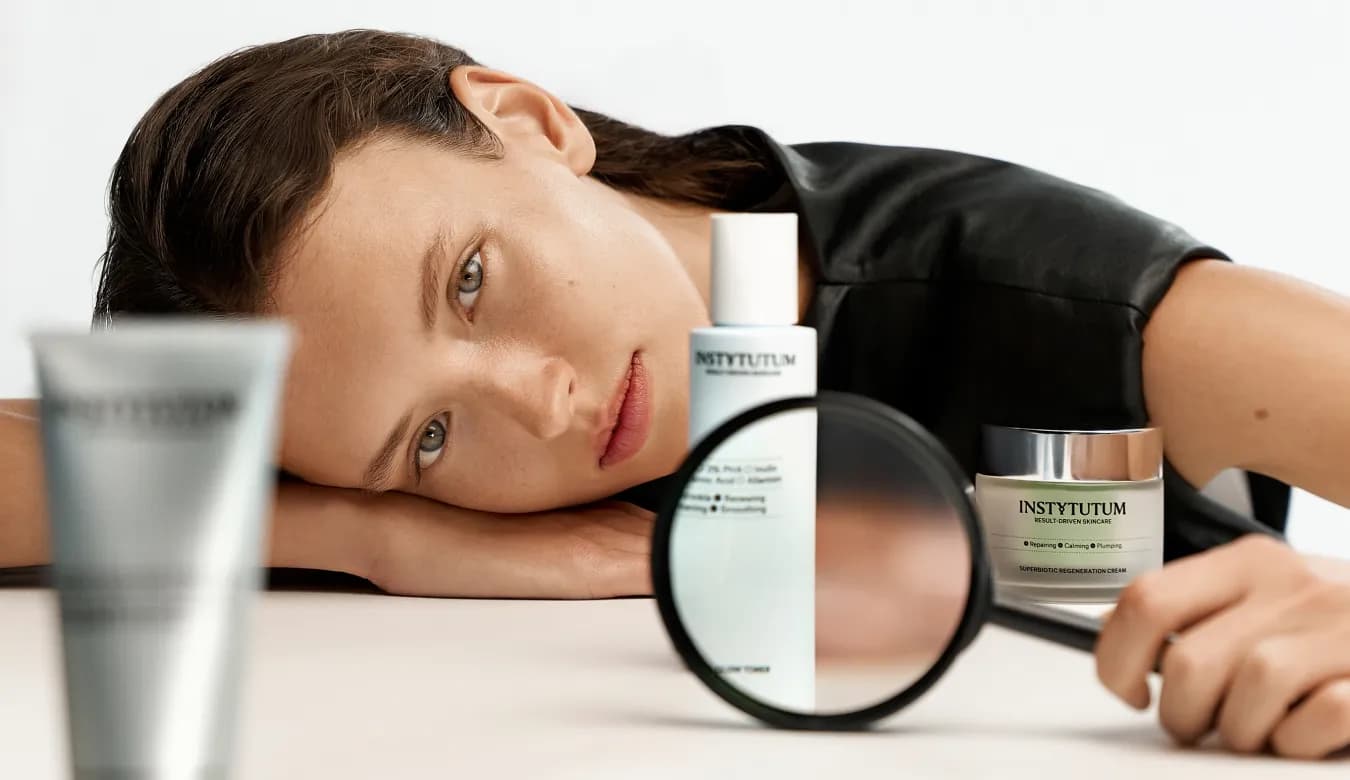
At-home skincare accounts for up to 90% of the results you see in your skin. Only 10% comes from professional treatments performed as prescribed by specialists. Without a regular routine, even the most experienced esthetician won’t be able to turn things around.
The foundation of an effective routine consists of four sequential steps: cleansing, toning, serum, and moisturizer/SPF. The main criterion for choosing products isn’t skin type or age, but your skin’s current needs and the active ingredients in the products that actually work.
Contents
What Is At-Home Skincare?
The Four Steps of a Daily Routine
Exfoliation—Salon Results Without the Salon
How to Read Ingredients: The Concentration Rule and the Principle of Skiminimalism
What is at-home skincare?
It’s a daily routine of basic steps that restores the skin’s barrier function, reduces transepidermal water loss (TEWL), normalizes pH, and supports the microbiome. Unlike in-salon treatments, it works every day — right where the skin is constantly exposed to UV radiation, pollution, and fluctuations in humidity. All of this micro-damage requires regular correction — which is exactly what daily skincare provides.
At the heart of the INSTYTUTUM approach is future-driven skincare that transforms the skin: the formulas combine several active ingredients in synergy, so all products are multifunctional and address multiple skin needs simultaneously.
Four Steps of Your Daily Routine
Two-Step Cleansing
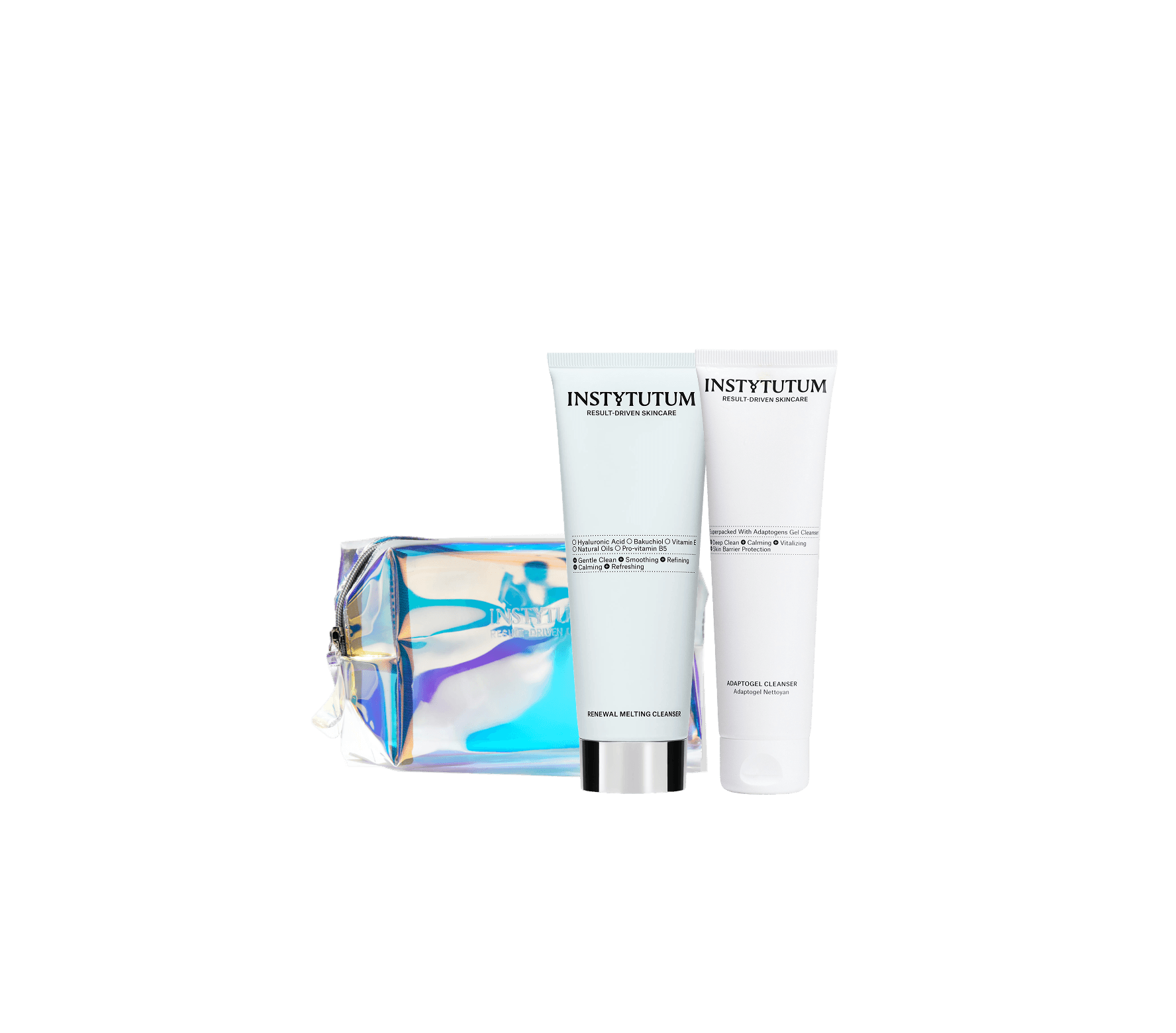
Even if you don’t wear makeup, a two-step cleansing routine is essential. First, use a hydrophilic oil to dissolve sebum, SPF, and other impurities — such as sweat, dust, and so on. The second step is a gentle gel (such as Adaptogel Cleanser), which not only cleanses but also soothes, hydrates, and strengthens the skin barrier thanks to a complex of adaptogens, bioenzymes, and prebiotics.
Toning
It’s like opening the door so the active ingredients can enter and do their job. We’re not just moisturizing the skin — we’re preparing it. The right toner can already be working at this stage: soothing, moisturizing, and renewing the microbiome. How to choose a toner depends on your skin’s needs.
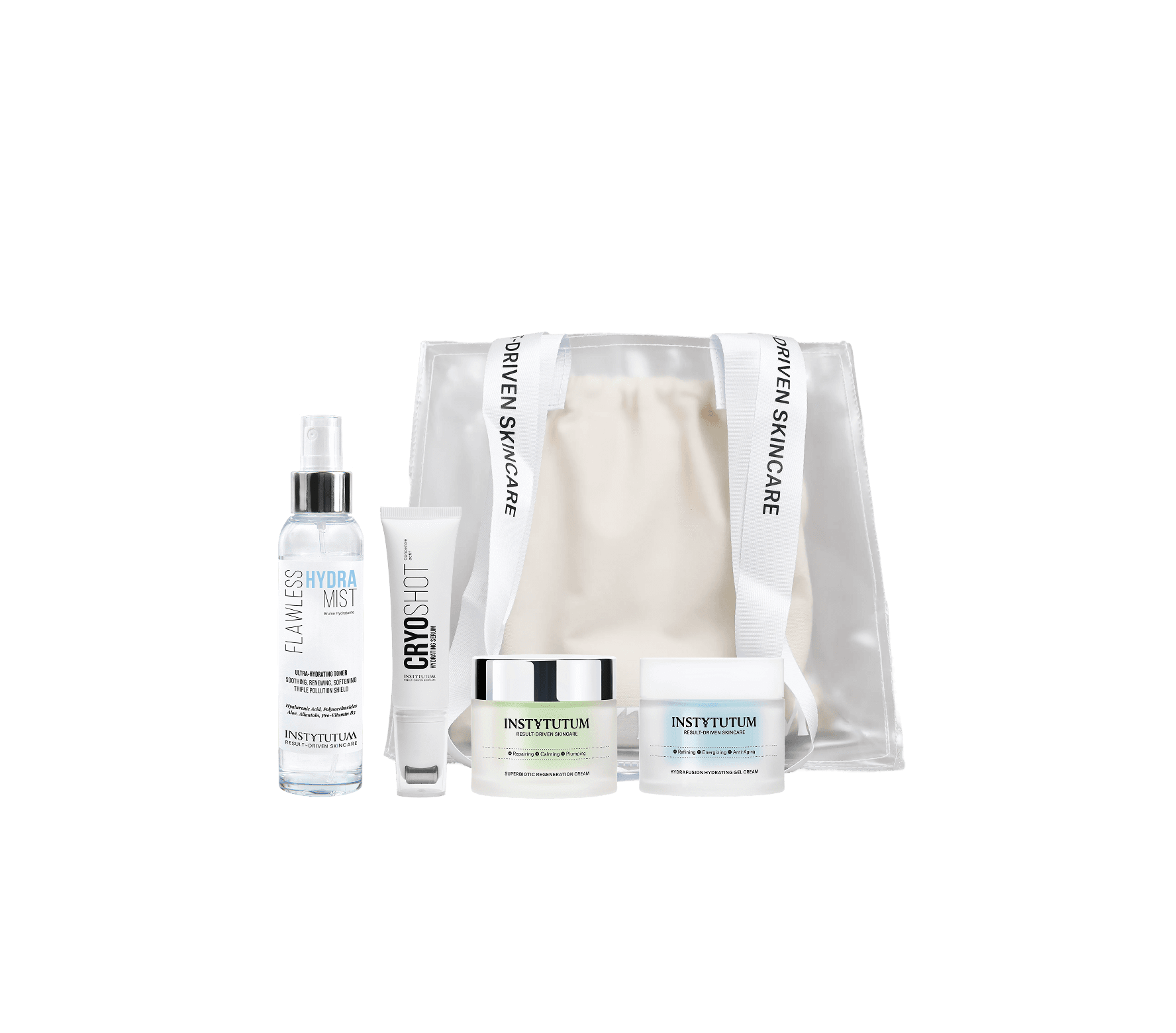
For sensitive skin, Flawless Hydra Mist is ideal. It’s a lightweight mist with panthenol, aloe vera, hyaluronic acid, and allantoin. You can even use it throughout the day to hydrate, refresh, and soothe irritation.
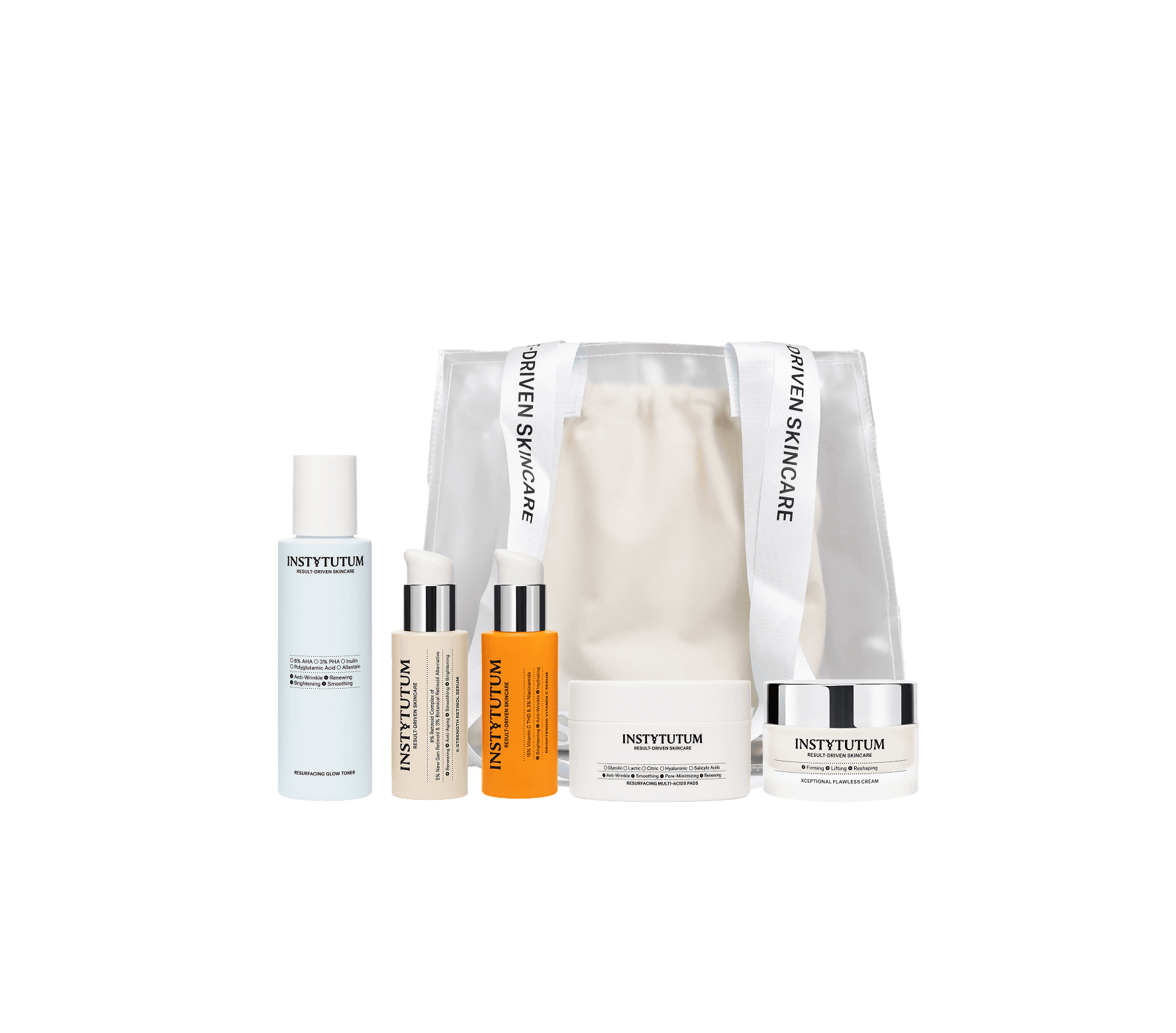
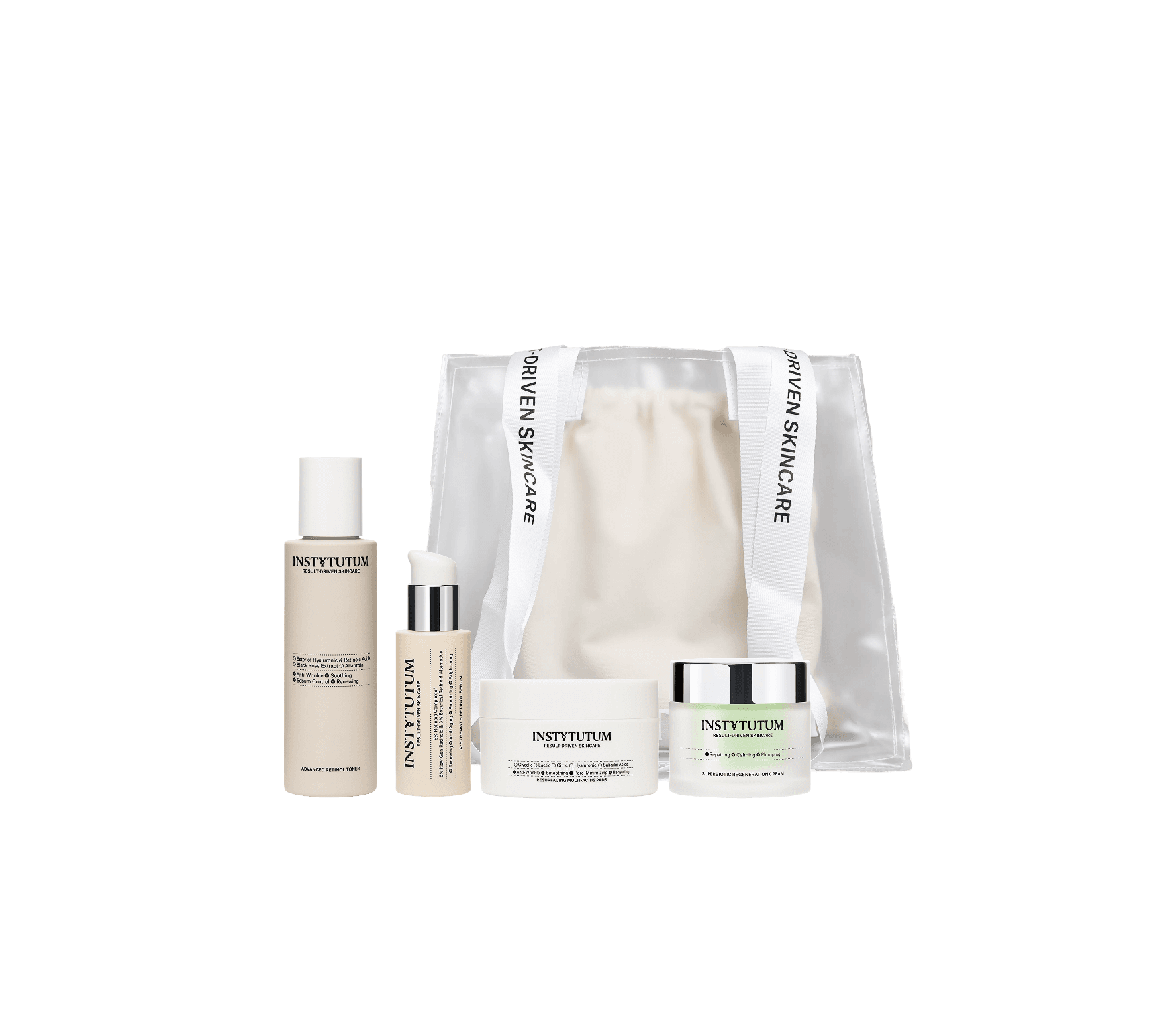
For aging skin and skin with an uneven texture, choose the Advanced Retinol Toner. It stimulates cell renewal while hydrating the skin, thanks to hyaluronic acid, amino acids, and vitamins.
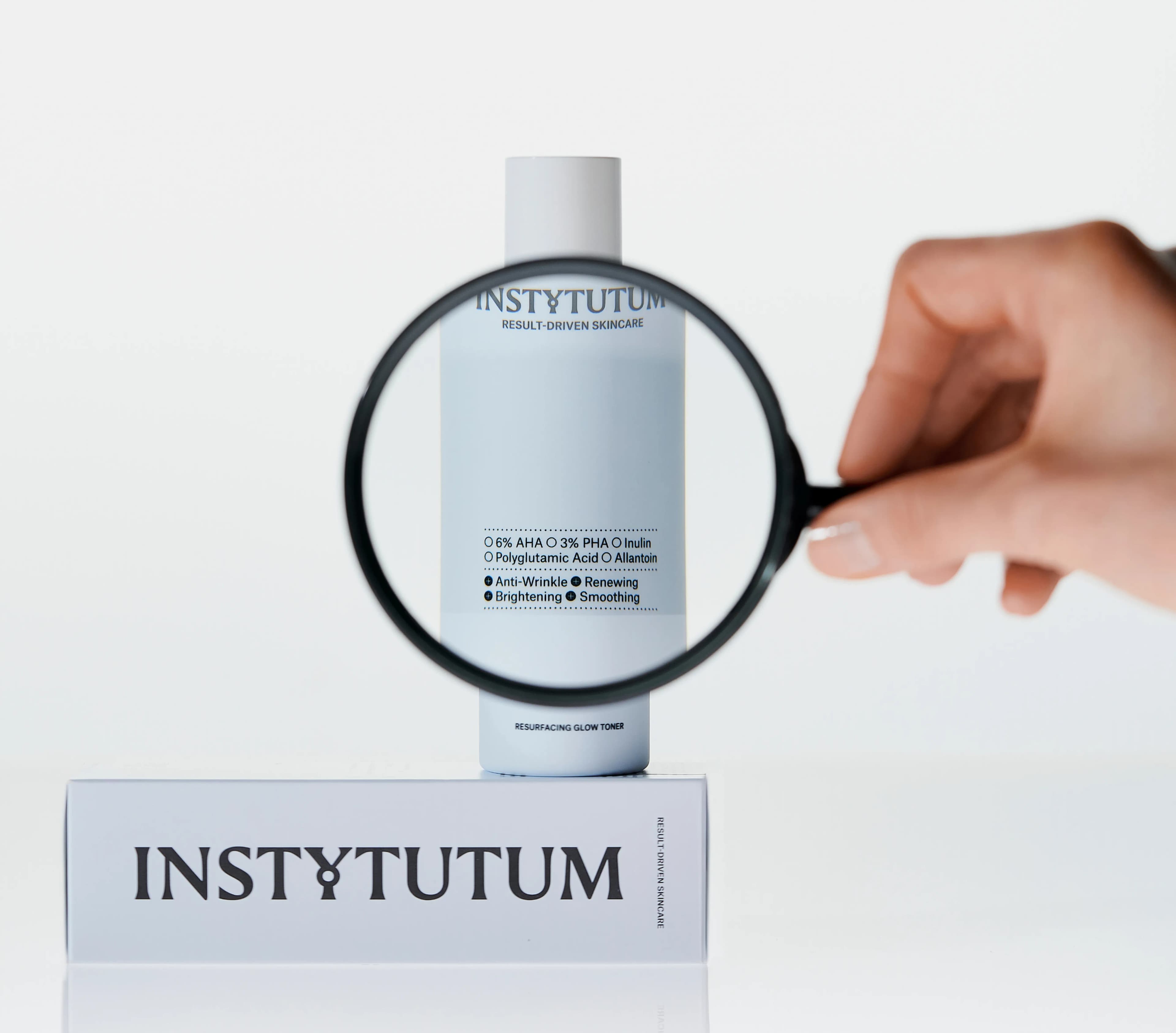
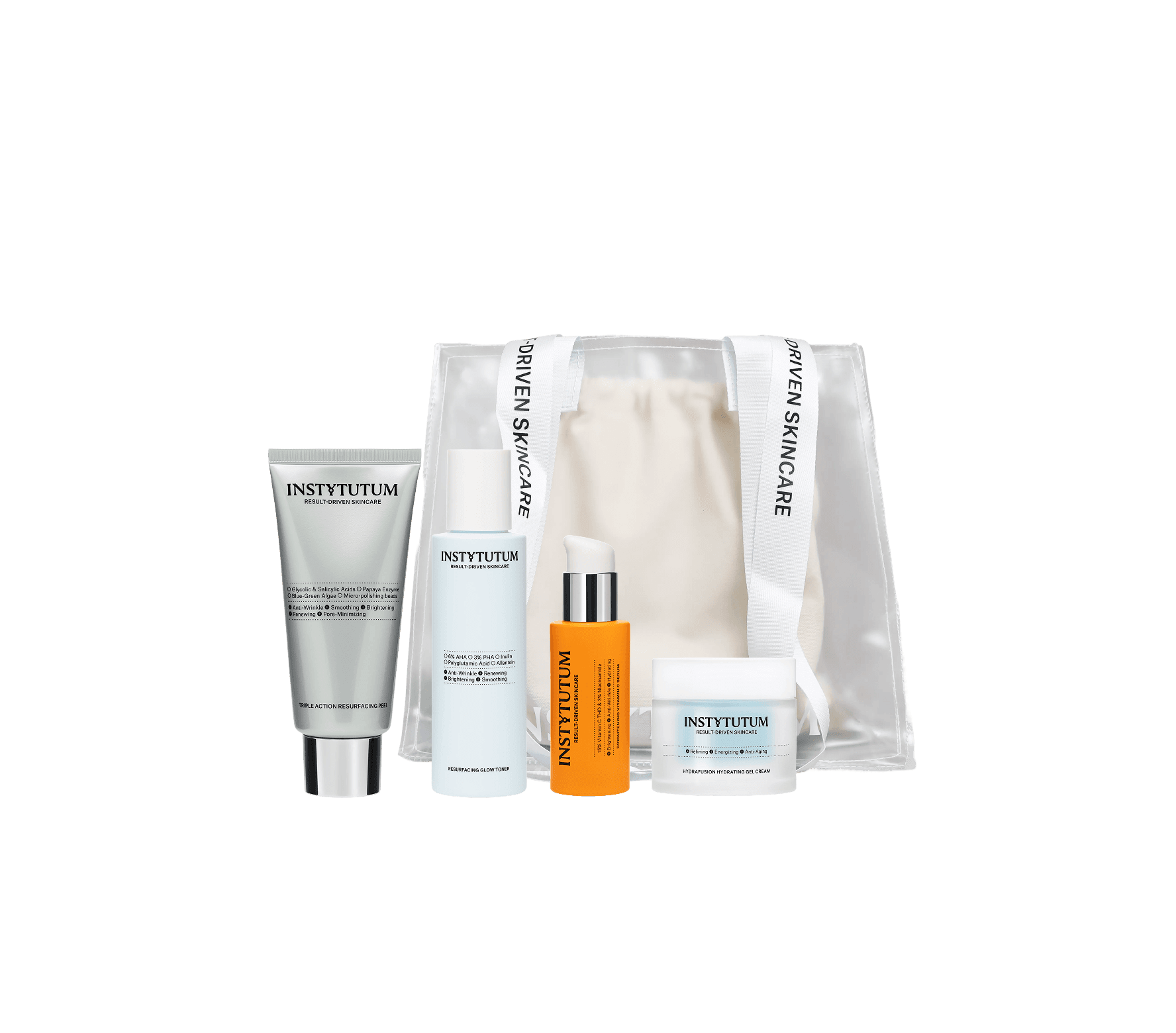
For dull skin, the best choice is the Resurfacing Glow Toner. It contains 6% glycolic acid, 3% gluconolactone, hyaluronic acid, provitamin B5, allantoin, and arginine, which restore radiance, combat oxidative stress, and even out skin texture.
Active Skincare — Serum
Serum is a concentrate of active ingredients. If you think of a cream as food, then a serum is a “vitamin shot” for your skin. It’s a highly concentrated product that targets specific concerns: pigmentation, wrinkles, loss of firmness, or dehydration. It’s always applied before moisturizer. Choose a targeted serum based on your main concern:
Hyperpigmentation, dullness, uneven skin tone? — Brightening Vitamin C Serum (in the form of THD Ascorbate—stable and effective in the deeper layers of the skin).
Post-acne, texture, wrinkles? — X-Strength Retinol Serum (with an 8% retinoid complex; deeply renews the skin without irritation). It’s best to use retinoids in your evening routine; be sure to use SPF in the morning.
Tired skin, puffiness, dryness, signs of aging? — Cryoshot Hydrating Serum (10% niacinamide and a neurocosmetic complex for skin transformation).
Important: Avoid layering products with high concentrations of active ingredients from different brands at the same time—this often leads to irritation and counterproductive results.
Moisturizer and SPF — the final steps
A moisturizer seals in the results of the previous steps: it locks in active ingredients, protects the skin, and provides comfort. Look for ceramides, peptides, squalane, and hyaluronic acid in the formula — they strengthen the skin barrier, hydrate, nourish, and prevent moisture loss. At INSTYTUTUM, for example, this is the Superbiotic Regenerating Cream — an ultra-regenerating, moisturizing cream based on ceramides.
It’s also important to moisturize oily skin, as a lack of moisture can trigger even more sebum production. That’s why you should choose a cream with a light texture, such as the Hydrafusion Gel Cream. This gel-cream provides light hydration for 24 hours without a greasy shine.
It’s essential to include SPF in your morning routine to protect your skin from UV radiation. Sunscription SPF50 blocks UVA/UVB rays, blue light, and infrared radiation, prevents pigmentation, and preserves your skin’s youthfulness.
Important: Choose a routine from a single brand, as products from the same brand typically work synergistically: the formulas are designed so that the ingredients enhance each other’s effects rather than conflict with one another.
Exfoliation — Salon-Quality Results Without a Salon
What is exfoliation? It’s the removal of dead skin cells that accumulate on the skin’s surface. Without this step, active ingredients get trapped in the stratum corneum and can’t penetrate deeper, and the skin becomes dull and prone to breakouts.
Regular exfoliation stimulates collagen synthesis, tightens pores, evens out skin tone, and enhances the effectiveness of all subsequent skincare products. There are three types of exfoliants:
Physical — mechanically remove the stratum corneum but can be harsh on sensitive skin.
Chemical — AHA acids smooth the skin’s texture, BHA penetrates the pores and fights inflammation, and PHAs act more gently due to their larger molecular size.
Enzymatic — enzymes such as papain or bromelain gently dissolve dead skin cells without mechanical action.
Instead of forcing you to choose between these approaches, INSTYTUTUM has combined all three types of action into a single product—the Triple Action Peel: enzymes, acids, and a gentle mechanical exfoliant work together to comprehensively renew the skin without irritation, delivering a radiant glow after just the first use.
How to Read Ingredient Lists: The Concentration Rule and the Principle of Minimalism
The order of ingredients on the label corresponds to their concentration. If the claimed active ingredient appears at the end of the list, after the fragrance, you shouldn’t expect any noticeable effect. Among the clinically proven ingredients, look for tetrahexyldecyl ascorbate (a stable form of vitamin C), hydroxypinacolone retinoate, niacinamide, peptides, stem cells, and hyaluronic acid.
Concentration is just as important as the active ingredient itself: vitamin C at a 15% concentration works effectively, whereas 20% already increases the risk of irritation and allergies. Therefore, true effectiveness comes not from a single powerful ingredient, but from a balanced, scientifically sound formula with supporting ingredients.
The principle of “skiminimalism”: one jar instead of five. The market encourages applying 10–12 products to the skin, but this only harms the skin. Multifunctional formulas work in several ways at once, don’t overload the skin barrier, and save time. Choose products that address several skin needs simultaneously.
Conclusions
The result for your skin isn’t determined by the number of products, but by consistency: a structured routine, regular exfoliation, and a conscious choice of formulations based on the concentration of active ingredients. This is the formula for flawless skin—one that works every day and transforms your skin gradually and over the long term.